I want to start with a confession.
For a doctor who spends a good portion of every working day telling patients they need to move more, there have been stretches of my own life where I was not practising what I preached. Long clinic days bleed into paperwork evenings. Weekends get swallowed by family obligations and a couch that is, frankly, very comfortable. I know the evidence cold — and I still found myself going days, sometimes weeks, without any meaningful exercise.
So when I talk to you about physical activity this August — our wellness month — I am not speaking from a pedestal. I am speaking as someone who has had to consciously rebuild this habit himself, who understands exactly how hard it is to prioritise movement in a busy modern life, and who has watched, up close, what happens to the bodies of people who don't.
What I've seen in that clinic chair has convinced me of one thing more than almost anything else in medicine: exercise is not optional. It is not a lifestyle accessory for the health-conscious. It is the closest thing we have to a universal medicine — one that prevents disease, treats disease, lifts mood, sharpens the mind, and adds years to life. And it is almost entirely free.
Let me show you the evidence. Then let's talk about what to actually do about it.
What the Science Actually Says
I want to be careful here. The internet is full of dramatic health claims, and not all of them hold up to scrutiny. So let me take you directly to the peer-reviewed evidence — the kind published in the world's most rigorous medical journals — and tell you what it actually shows.
In 2017, the largest study of its kind was published in The Lancet. The PURE study — the Prospective Urban Rural Epidemiology study — followed over 130,000 people across 17 countries spanning high-income, middle-income, and low-income settings. It found that higher levels of physical activity were associated with significantly lower risks of cardiovascular disease and death from all causes — and that this benefit held true regardless of where in the world people lived, what they earned, or what they ate. The researchers concluded that physical inactivity may be a more important modifiable risk factor than diet when it comes to cardiovascular mortality.
The World Health Organization's 2020 Global Guidelines on Physical Activity, published in the British Journal of Sports Medicine, synthesised decades of evidence and concluded that regular physical activity reduces the risk of all-cause mortality, cardiovascular disease, hypertension, type 2 diabetes, several cancers, and depression — and that these benefits apply across age groups, sexes, and health conditions. The guidelines also added a finding that has changed how I counsel patients: you don't have to hit a magic threshold to benefit. Some activity is better than none. Even small increases in movement from a baseline of sedentary behaviour produce meaningful health gains.
"The most powerful prescription I can write is one that costs nothing and has no serious side effects. It is called exercise. And most of my patients never fill it."
A 2017 systematic review of systematic reviews published in Current Opinion in Cardiology — one of the most comprehensive summaries of the physical activity evidence base to date — reached a striking conclusion: the health benefits of physical activity follow a dose-response curve, meaning more activity generally means more benefit, but the curve is steepest at the low end. The people who gain the most from becoming active are not the moderately fit who push themselves to elite performance. They are the sedentary who simply start moving.
What Exercise Does to Your Body
Let me break this down organ by organ, because I think most people underestimate just how comprehensively exercise affects the human body.
Your Heart and Blood Vessels
Regular aerobic exercise strengthens the heart muscle, reduces resting heart rate, lowers blood pressure, improves cholesterol profiles, and reduces arterial stiffness. For a population like ours in the Bahamas — where hypertension and cardiovascular disease are among the leading causes of death and disability — this matters enormously. The PURE study data showed that physically active adults in low- and middle-income countries, where access to medications may be limited, could achieve cardiovascular risk reductions comparable to drug therapy simply through movement.
Your Blood Sugar and Metabolism
Exercise is one of the most effective tools we have for managing and preventing type 2 diabetes. Muscle contractions during exercise use glucose directly from the bloodstream, and the effects on insulin sensitivity persist for hours afterward. For patients already living with diabetes, the evidence is equally powerful: regular physical activity is associated with a 29% lower risk of cardiovascular death compared to inactive diabetic patients, and a 35% lower all-cause mortality in those who meet activity targets.
Your Mental Health
This is the one that surprises my patients most. A landmark meta-analysis published in JAMA Psychiatry in 2022, which pooled data from prospective cohort studies involving hundreds of thousands of adults, found that physically active people had a significantly lower risk of developing depression — and that even activity levels below the recommended guidelines were associated with meaningful mental health protection. The researchers found the dose-response curve here was also non-linear: you don't need to run marathons to protect your mood. A brisk walk several times a week offers measurable benefit.
Exercise as medicine for the mind Exercise triggers the release of endorphins, serotonin, and brain-derived neurotrophic factor (BDNF) — substances that reduce anxiety, lift mood, and literally support the growth of new brain cells. It is one of the few interventions proven to reduce the risk of both depression and dementia.
Your Weight and Joints
Exercise contributes to healthy weight management by increasing energy expenditure and preserving lean muscle mass — both critical factors given that obesity rates in the Bahamas rank among the highest in the Caribbean. Beyond weight, regular movement lubricates joints, strengthens the muscles around them, and reduces chronic pain — including the back pain, knee pain, and arthritis complaints that I see constantly in my clinic.
Your Immune System and Longevity
Regular moderate-intensity exercise has been shown to reduce chronic systemic inflammation — a root driver of conditions ranging from heart disease to cancer. The World Heart Federation's analysis in Global Heart noted that physically active adults had a 43% lower risk of death in studies of COVID-19 patients — a striking finding that underscores how foundational fitness is to immune resilience. Beyond acute illness, the evidence consistently shows that active adults live longer, with more of those years spent in good functional health.
So Why Have We Stopped Moving?
This question matters, because the barrier to exercise is rarely a lack of information. Most of my patients know they should move more. The challenge is structural, cultural, and deeply human.
We Built Inactivity Into Our Environment
The modern world is exquisitely designed to minimise physical effort. Cars, desk jobs, remote controls, food delivery, elevators — every convenience we've created has removed an opportunity for movement. In Freeport, as in much of the developed world, the default life requires almost no physical exertion whatsoever. We have to consciously engineer movement back into our days because our environment has quietly engineered it out.
Heat and Climate
I hear this one often in the Bahamas, and I will not dismiss it — our summers are genuinely brutal. Exercising outdoors in August heat and humidity requires real planning: early morning or evening timing, adequate hydration, gradual acclimatisation, and awareness of the signs of heat exhaustion. These are not excuses; they are real considerations. But they are solvable problems, not insurmountable barriers.
Time
The most common reason my patients give me for not exercising is that they simply do not have time. I understand this completely. But I want to offer a reframe: the current WHO guidelines require a minimum of 150 minutes of moderate activity per week. That is 21 minutes per day — less than a single episode of a television drama. The question is rarely whether the time exists. It is whether exercise has been prioritised enough to claim it.
Not Knowing Where to Start
For many people — particularly those who have been sedentary for years — the idea of "exercising" conjures images of gyms, spandex, and exhaustion. It doesn't have to. The evidence is clear that walking is one of the most effective and accessible forms of exercise available. You do not need equipment, a membership, or athletic ability. You need shoes and a decision.
Before you begin If you have not been active for a long time, are over 40, or have existing health conditions such as heart disease, hypertension, or diabetes, please speak with your doctor before starting an exercise programme. A brief check-up can confirm that you are safe to exercise and help tailor a plan to your specific needs.
What Does Exercise Actually Look Like?
The WHO guidelines recommend that adults aim for 150–300 minutes of moderate-intensity aerobic activity per week, or 75–150 minutes of vigorous-intensity activity, combined with muscle-strengthening exercises on at least two days per week. Here is what that looks like in practice:
Moderate Aerobic
Brisk walking, cycling on flat ground, swimming at a comfortable pace, dancing. You should be able to hold a conversation but feel your breathing deepen.
Vigorous Aerobic
Jogging or running, fast cycling, aerobics classes, swimming laps, playing basketball or football. You are breathing hard and cannot easily hold a conversation.
Muscle Strengthening
Body-weight exercises (push-ups, squats, lunges), resistance bands, weight training, yoga, or heavy gardening — at least 2 days per week.
Balance & Flexibility
Especially important as we age. Yoga, tai chi, and simple balance exercises reduce fall risk and improve functional movement for everyday life.
And remember the most important finding from the research: starting from zero, even a small amount of activity delivers outsized benefits. The Warburton and Bredin systematic review emphasised this clearly — the greatest health gains per unit of activity occur in the transition from sedentary to mildly active. You don't have to be an athlete. You just have to begin.
Making It a Daily Habit: What Actually Works
Knowledge alone does not change behaviour — if it did, no doctor would ever be overweight and no patient would ever smoke. So let me share what the research, and my own clinical experience, tells us about building exercise into daily life in a way that actually sticks.
Attach It to Something You Already Do
Behaviour scientists call this "habit stacking." Walk after dinner instead of sitting down immediately. Do ten minutes of stretching while the morning coffee brews. Take the stairs as a non-negotiable rule. The goal is to reduce the decision-making burden by pairing movement with an existing anchor in your routine.
Make It Enjoyable, Not Just Virtuous
People do not sustain activities they dread. If you hate running, do not run. Walk the beach at sunset. Find a dance class. Join a sporting league. Swim in the ocean. The Bahamas offers a physical environment that most people in the world would envy — use it. The best form of exercise is the one you will actually do.
Start Embarrassingly Small
I tell patients who have been sedentary for years to start with ten minutes of walking on three days per week. Just that. The goal in the first month is not fitness — it is the habit. Once the habit is established, volume and intensity can increase naturally. Starting too ambitious is the most reliable way to quit within two weeks.
Tell Someone
Accountability matters. Tell your partner, your friend, your doctor. Better yet, find someone to exercise with. Social exercise — walking with a friend, joining a group, a friendly competition — dramatically improves long-term adherence. This is not a character flaw. It is human biology.
The August Wellness Challenge This month, I am asking every reader to commit to one thing: 20 minutes of movement every day in August. It can be walking, swimming, cycling, stretching — anything that gets your body out of stillness. Log it. Notice how you feel. By September, your body will have had 31 consecutive days to begin adapting. That is where habits are born.
A Personal Word
Here is what I have noticed — both in my patients and in myself — when exercise becomes a genuine daily habit rather than an occasional penance: the benefits go far beyond the physical. You sleep better. You manage stress with more resilience. You feel a quiet confidence in your body that you do not get from any pill or procedure. You feel, in a very real sense, more alive.
I also want to say this: the Bahamas is facing a chronic disease burden that threatens to overwhelm our healthcare system in the coming decades. Hypertension, diabetes, obesity, depression — these are not inevitable. They are, in a meaningful proportion of cases, preventable. And the most powerful tool of prevention available to us costs nothing and requires no prescription.
We have a healthcare system that works hard to treat disease. What we need — urgently — is a cultural shift toward preventing it. That shift starts with each of us, individually, deciding that our health is worth twenty minutes a day.
This August, make that decision. Your future self will be grateful.
About the Contributor
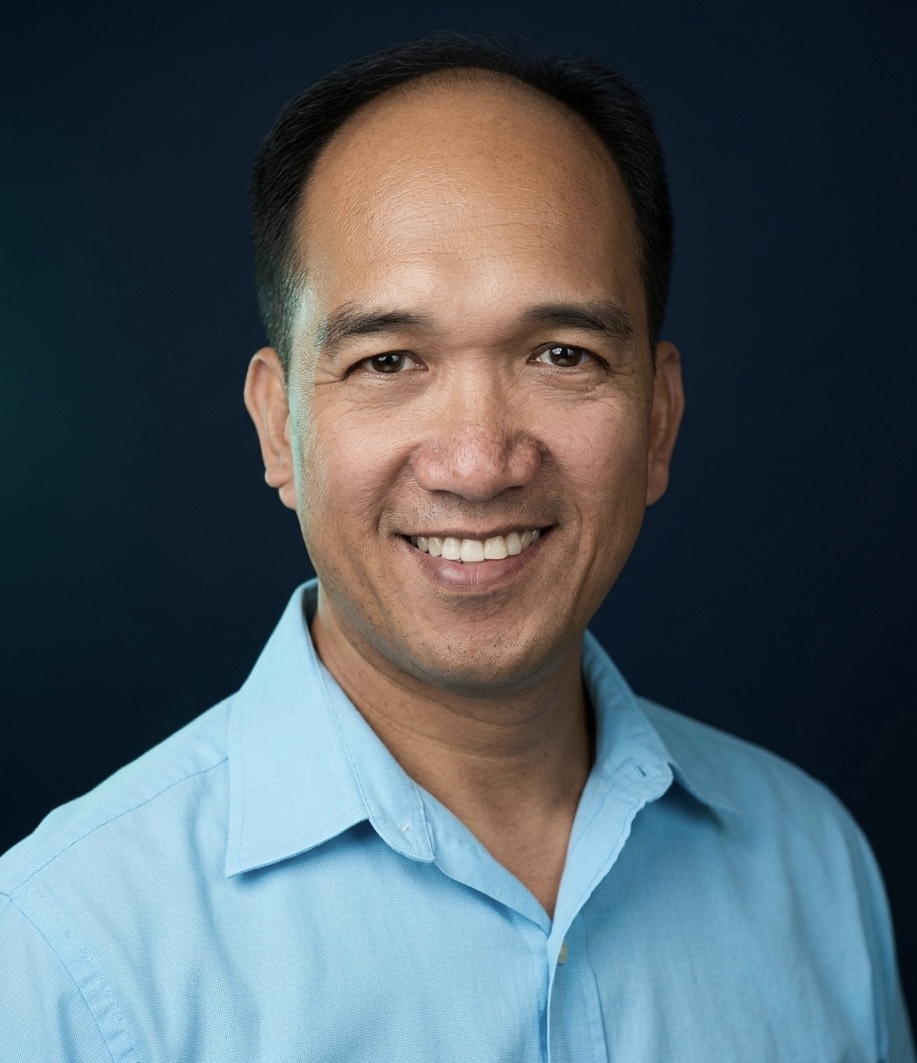
Dr. Dennis Quijano
Dr. Dennis Quijano is a Family Medicine physician with more than 20 years of clinical experience. He has been serving Grand Bahama for the more than 10 years. His advocacy is accessible health technology for all.